Introduction to AI concepts, machine learning, deep learning, and data science fundamentals.
Exploration of computational models, optimization methods, and algorithmic frameworks relevant to engineering problems.
Integration of civil engineering theories with AI models (structural mechanics, hydraulics, geotechnics, transportation systems).
Structural Engineering: AI for structural health monitoring, damage detection, predictive maintenance.
Construction Management: Machine learning for cost estimation, scheduling, risk assessment, and safety monitoring.
Transportation: AI in traffic flow prediction, intelligent transportation systems, and smart urban mobility.
Geotechnical Engineering: Predictive modeling for soil behavior, slope stability, and foundation design.
Water Resources and Environmental Engineering: AI for flood forecasting, water demand prediction, and climate-resilient planning.
Review of state-of-the-art research articles and case studies.
Critical appraisal of AI applications in major civil projects (smart cities, sustainable infrastructure).
Comparative evaluation of traditional versus AI-driven approaches.
Hands-on use of AI tools (Python, TensorFlow, PyTorch, MATLAB).
Dataset preparation and feature engineering specific to civil engineering datasets (sensor data, GIS data, BIM models).
Application of AI in Building Information Modeling (BIM) and Digital Twin technology.
Ethical implications of AI in infrastructure decision-making.
Data privacy, transparency, and fairness in engineering models.
AI contributions to sustainable development goals, resilience, and climate adaptation.
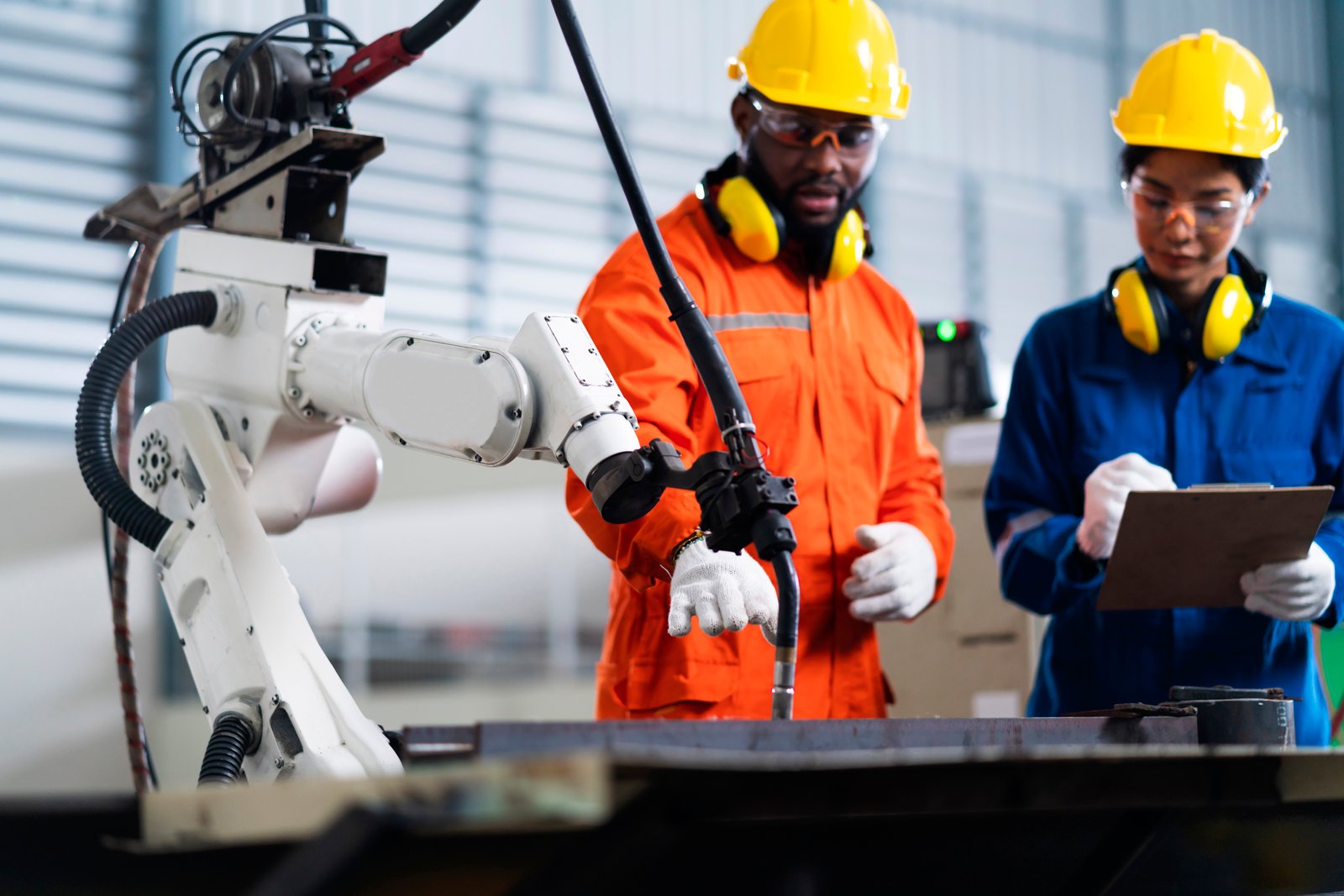
AI in robotics for construction automation.
Use of generative AI in design optimization.
Integration of AI with Internet of Things (IoT), drones, and remote sensing for smart infrastructure management.
Research projects linking AI theory to civil engineering practice.
Critical review essays on emerging trends.
Capstone project: AI-based solution for a real-world civil engineering challenge.
This course introduces civil engineers to practical AI tools, methods, and applications that enhance design, analysis, construction, and infrastructure management. It covers machine learning, predictive modeling, computer vision, optimization algorithms, BIM-AI integration, and real-world case studies where AI improves accuracy, safety, and efficiency in civil engineering projects.
The course is suitable for civil engineering students, practicing engineers, project managers, construction professionals, government engineers, and researchers interested in integrating AI into infrastructure development. It is also ideal for professionals seeking to upgrade their digital and analytical skills to meet modern industry demands. No advanced AI knowledge is required.
Participants will learn how to build predictive models, analyze structural health data, use AI for material optimization, apply computer vision for site monitoring, automate surveying and inspection tasks, integrate AI with GIS and BIM, and interpret data for informed engineering decisions. The course also teaches prompt engineering, data preparation, and evaluation of AI model performance.
Learners are introduced to machine learning algorithms, neural networks, natural language processing, image recognition systems, optimization models, simulation tools, and AI-powered platforms used in engineering. Tools include Python-based libraries, GIS-AI interfaces, drone imaging software, and intelligent project management systems that support automation and smart construction.
AI skills significantly enhance employability in today’s data-driven engineering environment. Completing this course enables engineers to optimize designs, reduce project risks, automate repetitive tasks, enhance safety monitoring, and improve decision-making. These competencies prepare learners for roles in smart infrastructure, urban development, construction technology, and innovation-focused engineering firms.
At vero eos et accusamus et iusto odio dignissimos ducimus qui blanditiis praesentium voluptatum deleniti atque corrupti quos dolores et quas molestias excepturi sint occaecati cupiditate non provident, similique sunt in culpa qui officia deserunt mollitia animi, id est laborum et dolorum fuga. Et harum quidem rerum facilis est et expedita distinctio. Nam libero tempore, cum soluta nobis est eligendi optio cumque nihil impedit quo minus id quod maxime placeat facere possimus, omnis voluptas assumenda est
Specialities:
Copyright ©2025. Metascholar Institute. All Rights Reserved.