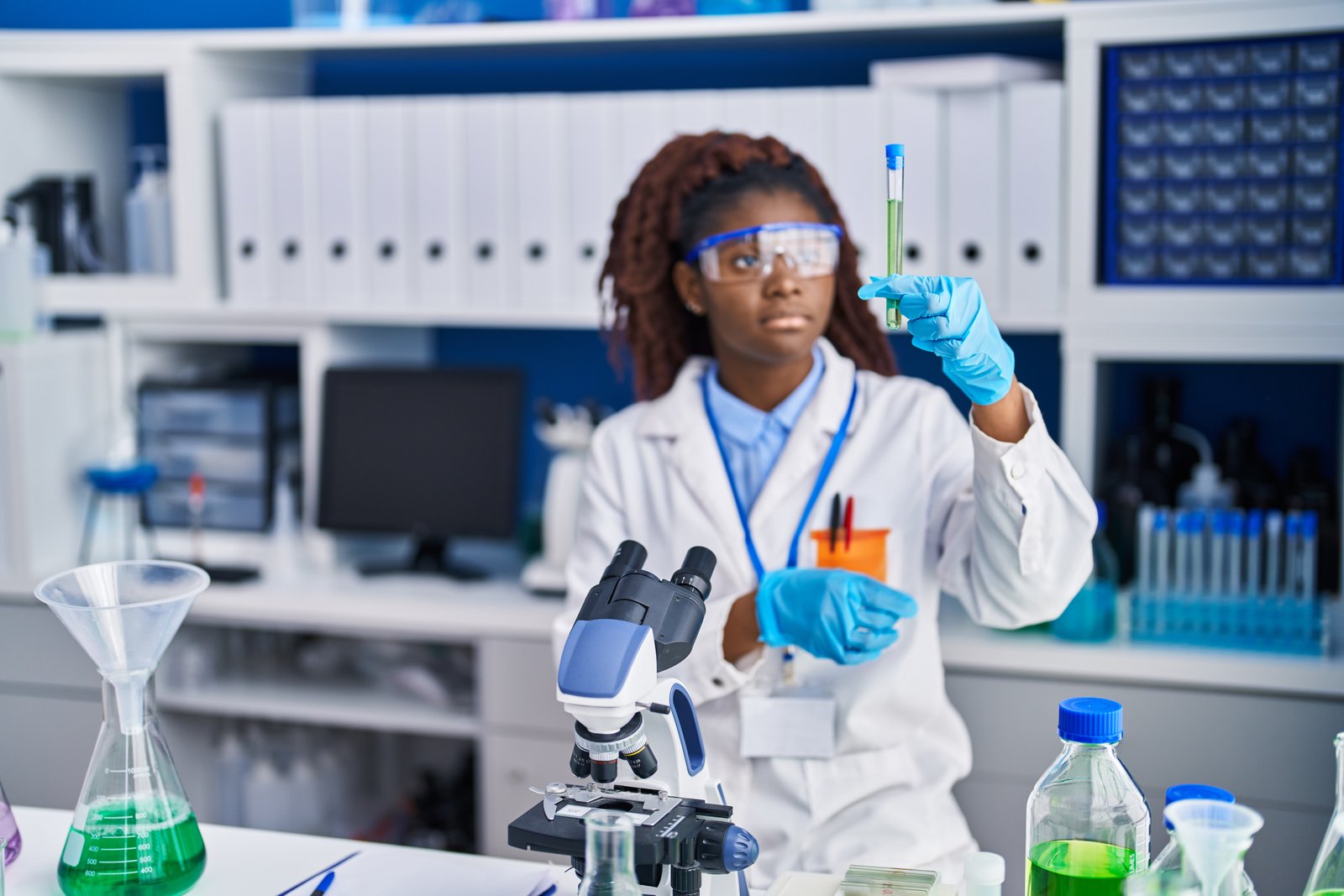
This course equips learners with the foundational knowledge and practical laboratory skills required to work as professional microbiology laboratory technicians. It covers essential microbiological principles, including the study of microorganisms such as bacteria, viruses, fungi, and parasites, and their roles in health, environment, and industry. Students will learn laboratory techniques for specimen collection, culture, identification, and antimicrobial sensitivity testing using modern equipment and safety protocols. The course emphasizes aseptic techniques, biosafety, laboratory quality assurance, and accurate data recording and reporting.
Through hands-on training, demonstrations, and case studies, learners will gain practical experience in performing diagnostic tests, interpreting results, and supporting disease surveillance and public health initiatives. Upon completion, students will be prepared to assist in medical, research, and industrial laboratories, contributing to infection control, scientific investigation, and healthcare improvement.
This course provides foundational and intermediate training in microbiological techniques, laboratory safety, specimen handling, microbial identification, and diagnostic procedures. It introduces learners to bacterial culture, staining methods, aseptic technique, antimicrobial testing, and the use of essential laboratory equipment. The course prepares participants for practical roles in clinical, research, industrial, and public health laboratories.
The course is ideal for individuals aspiring to work in medical or industrial microbiology labs, science students, healthcare assistants, laboratory aides, and those seeking to transition into technical roles in diagnostic facilities. No advanced scientific background is required, although basic knowledge of biology is helpful.
Participants will learn how to collect and process specimens, perform streak plating, carry out Gram staining and biochemical tests, operate incubators and microscopes, prepare culture media, identify microorganisms, and follow biosafety and aseptic techniques. The course also teaches documentation procedures, result interpretation, and quality control practices essential for laboratory competency.
Learners are introduced to Biosafety Levels (BSL), personal protective equipment (PPE) usage, laboratory hygiene protocols, waste disposal procedures, and safe handling of infectious materials. The course aligns with international guidelines such as CDC biosafety recommendations, WHO laboratory safety standards, and local institutional policies.
Yes. This course equips learners with practical, job-ready laboratory skills required in hospitals, diagnostic centers, research institutions, food and water testing laboratories, pharmaceutical labs, and environmental monitoring facilities. While some regions may require additional licensing or supervised experience, the course significantly boosts employability and serves as a strong entry pathway into laboratory science careers.
Associate Professor of English Language & Literature, Makawanpur Campus, Hetauda, Nepal (Affiliated to Tribhuvan University, Kathmandu, Nepal)
Copyright ©2025. Metascholar Institute. All Rights Reserved.